
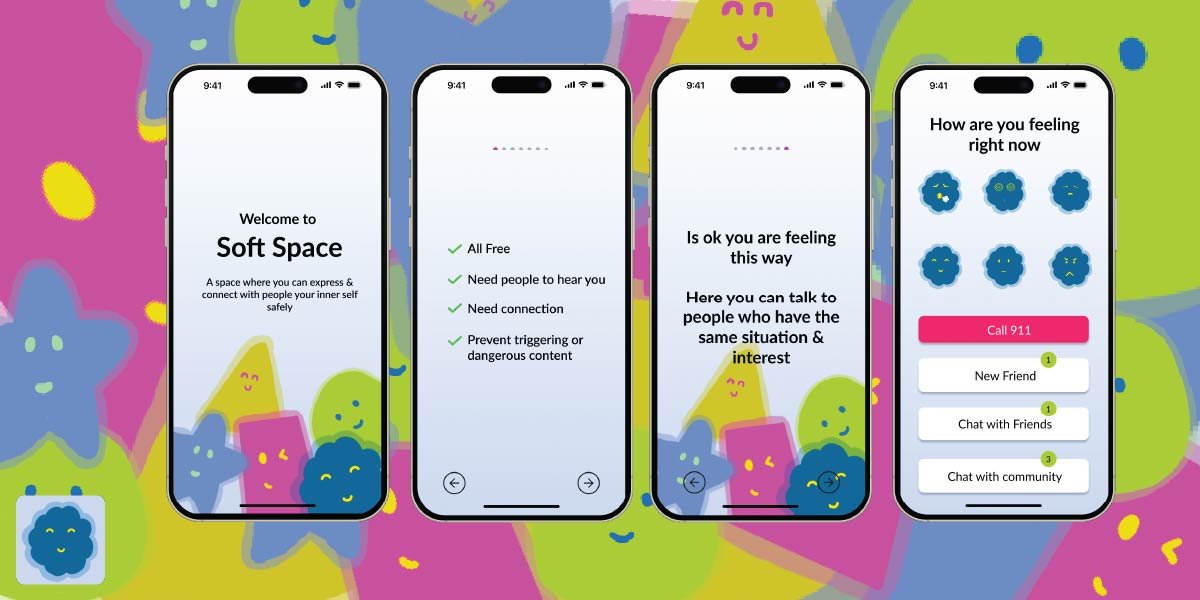
Soft Space - user experience
What it is:
A human-centred digital platform that provides a gentle, anonymous and low-pressure space for emotional expression and peer connection.
Who it is for:
Young adults aged 20–30 who are experiencing loneliness, uncertainty or major life transitions, such as graduating, starting work or moving to a new place.
The problem:
Many young adults feel isolated and struggle to explain what they are feeling, while formal counselling can feel intimidating, inaccessible or too serious.
The solution:
Soft Space allows users to express uncertainty, receive emotional validation and connect safely with people going through similar experiences.
What makes it different:
Unlike traditional mental-health platforms focused on crisis, diagnosis or structured therapy, Soft Space offers a free, anonymous and low-stakes space where users can pause, reflect and feel less alone.
Personalized IKEA - Branding
What it is:
A brand extension and visual identity concept that reimagines IKEA around customizable furniture and personal expression. The project develops a new brand strategy, messaging system, tagline, logo variation, visual guidelines and personalized furniture applications.
Who it is for:
People who want an organized, attractive and sustainable home that reflects their personality, but feel overwhelmed by IKEA’s large selection and may worry about assembly and durability.
The problem:
Traditional furniture can feel rigid and impersonal, while too many product choices can make it difficult for customers to create a home that feels truly individual.
The solution:
The concept gives customers simpler, customizable furniture solutions that allow them to adapt products to their space, lifestyle and personal taste. The brand direction combines affordability, functionality, sustainability and self-expression under the big idea: Your Home, Your Way.
What makes it different:
The project expands IKEA from a furniture retailer into a platform for personal creativity. The new tagline, “Make It Yours,” invites customers to move beyond standard, cookie-cutter interiors and create spaces that reflect their identities.
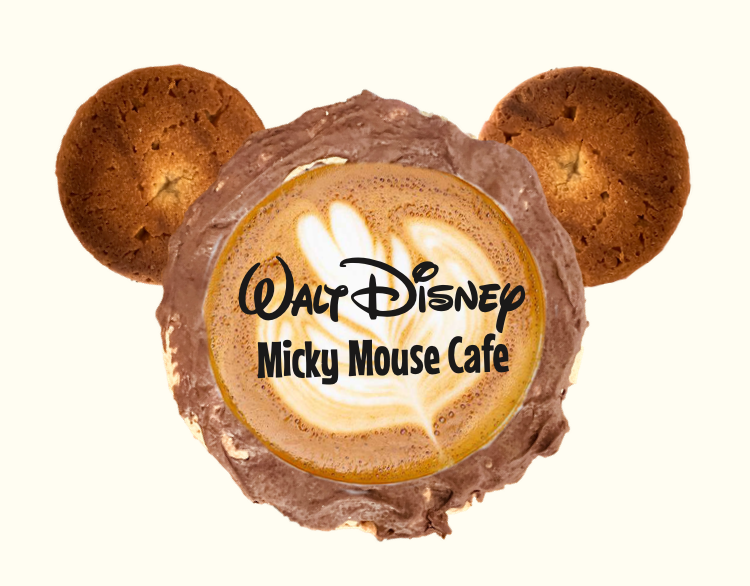
Walt Disney Mickey Mouse Cafe - Artifact, Environmental, Experience design
What it is:
An immersive Disney café concept that combines an edible cookie coffee cup, a self-service vending experience and an interactive cookie-cup baking activity. The cup functions as both a cappuccino container and a dessert, so it can be eaten after the drink is finished.
Who it is for:
Parents and families visiting Walt Disney World who need a place to rest, spend time together and enjoy a playful food experience during a busy day at the park.
The problem:
Traditional coffee service can involve long queues, repeated experiences and reusable cups that require washing. At the same time, tired families in a busy theme park may need a comfortable break without leaving the immersive Disney experience.
The solution:
The café offers two levels of participation: customers can quickly collect a prepared edible cup from a vending machine, or spend approximately 20 minutes baking and customizing their own cup. The café also includes a lively communal first floor and quieter private rooms upstairs for rest and conversation.
What makes it different:
The project connects product, service and environmental design. Its fully edible cup reduces packaging waste, while the gingerbread-house environment transforms an everyday coffee purchase into an interactive, multisensory Disney experience centred on play, comfort and family connection.